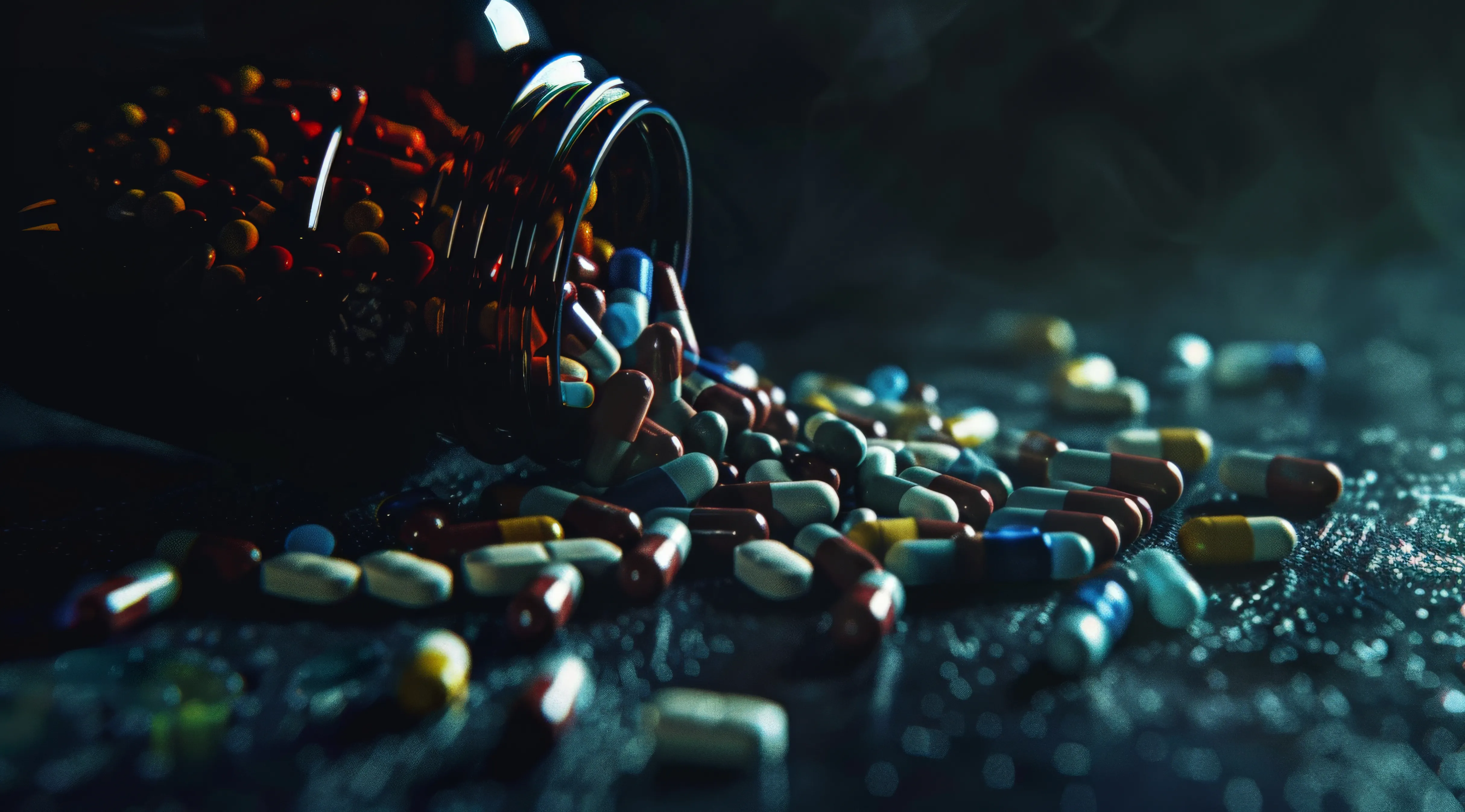
Yet behind every successful medicine lies a much larger story of failure. In fact, the majority of drug candidates never make it to the market. Estimates suggest that nearly 90% of molecules entering clinical trials fail before reaching regulatory approval. Understanding these failures is not a sign of weakness in the pharmaceutical industry; rather, it represents the complex and uncertain nature of biological science. Drug discovery involves navigating intricate disease pathways, unpredictable human biology, and rigorous safety requirements. Each unsuccessful molecule contributes valuable knowledge that shapes the next generation of therapies.
At World BI, through the Drug Discovery Innovation Programme, industry leaders, scientists, and innovators continue to explore how lessons from failure are improving research strategies and accelerating the development of more effective medicines.
The Reality of High Attrition in Drug Discovery
Drug discovery is a long and resource-intensive process that involves screening thousands of compounds to identify a single successful therapy.
Several Factors Contribute to the High Attrition Rate in Drug Development:
Even molecules that demonstrate promising results in early laboratory studies may fail when tested in larger, more diverse patient populations. This high level of uncertainty makes drug discovery one of the most challenging fields of scientific research.
Early Stage Discovery: Where Many Molecules Fail
The earliest phase of drug discovery focuses on identifying and validating biological targets linked to disease.
Common Reasons for Failure at This Stage Include:
- Poor validation of biological targets
- Weak understanding of disease mechanisms
- Lack of predictive experimental models
- Insufficient selectivity of candidate molecules
- Inadequate pharmacological activity
If a biological target is incorrectly selected or poorly understood, even the most promising compound may fail to deliver therapeutic benefits. As a result, improving early target validation has become a major focus of modern pharmaceutical research.
Preclinical Challenges
Before entering human trials, potential drug candidates undergo extensive preclinical testing to evaluate safety, pharmacokinetics, and biological activity.
Key Challenges During Preclinical Development Include:
- Toxicity observed in laboratory models
- Poor absorption or distribution within the body
- Unfavourable metabolism or rapid drug clearance
- Limited bioavailability or poor stability
- Ineffective delivery to the intended biological target
Preclinical studies aim to reduce risk before human testing begins. However, laboratory models cannot fully replicate the complexity of human physiology, meaning that unexpected outcomes can still occur later in development.
Clinical Trial Failures
Clinical trials represent the most expensive and critical stage of drug development. Despite years of preparation, many candidates fail during this phase.
Major Causes of Clinical Trial Failure Include:
- Lack of sufficient efficacy in patients
- Unanticipated adverse side effects
- Inadequate patient selection or trial design
- Poor pharmacokinetic or pharmacodynamic performance
- Competition from other therapies entering the market
Phase II trials, which test whether a drug actually works in patients, often have the highest failure rates. This stage reveals whether the biological mechanism truly translates into meaningful clinical benefit.
The Cost of Drug Discovery Failures
Failures in drug discovery carry significant financial implications for pharmaceutical companies.
The Economic Challenges Include:
- Billions of dollars invested in unsuccessful candidates
- Long development timelines often exceeding a decade
- Opportunity costs when resources are diverted from other programs
- Increased pressure on successful drugs to recover R&D expenses
- Higher financial risks for investors and biotechnology startups
These economic realities have prompted the industry to develop new strategies for improving research productivity and reducing unnecessary risks.
What the Industry is Learning from Failure
Although failures are costly, they provide valuable insights that help refine research strategies.
Key Lessons Learned Include:
- The importance of strong target validation early in research
- The need for better predictive models of human biology
- Greater emphasis on biomarker-driven clinical trials
- Improved collaboration between academia and industry
- Increased transparency and data sharing across organisations
Learning from unsuccessful programs allows scientists to avoid repeating mistakes and develop more robust approaches to drug discovery.
The Role of Advanced Technologies
Emerging technologies are helping researchers reduce failure rates by improving decision-making in the early stages of development.
Innovations Shaping Modern Drug Discovery Include:
- Artificial intelligence for predictive target identification
- Advanced molecular modelling and simulation
- Multi-omics approaches integrating genomic and proteomic data
- Machine learning tools for analysing complex biological datasets
- Improved screening technologies for compound optimisation
These technologies allow researchers to evaluate potential risks earlier, increasing the likelihood that promising candidates will succeed in later stages.
Collaboration as a Solution
Addressing the high failure rate in drug discovery requires collaboration across the scientific ecosystem.
Collaborative Strategies Include:
Partnerships between pharmaceutical companies and biotech startups
Joint research initiatives with academic institutions
Cross-industry data sharing platforms
Public-private partnerships supporting early research
Global research networks addressing complex diseases
Collaboration helps distribute risk, combine expertise, and accelerate the discovery of new therapeutic solutions.
A New Mindset Toward Failure
The pharmaceutical industry is increasingly recognising that failure is an essential part of scientific progress.
A Modern Approach to Drug Discovery Encourages:
By embracing failure as a source of knowledge, researchers can create a more efficient and innovative drug discovery environment.
Drug discovery is inherently challenging, and failure remains an unavoidable part of the journey toward new medicines. However, each unsuccessful molecule provides critical insights that improve scientific understanding and guide future innovation.
At World BI, the Drug Discovery Innovation Programme serves as a platform for exploring the lessons learned from both success and failure in pharmaceutical research. By analysing why molecules fail and applying these insights to future strategies, the global life sciences community can accelerate the development of safer, more effective therapies for patients worldwide.