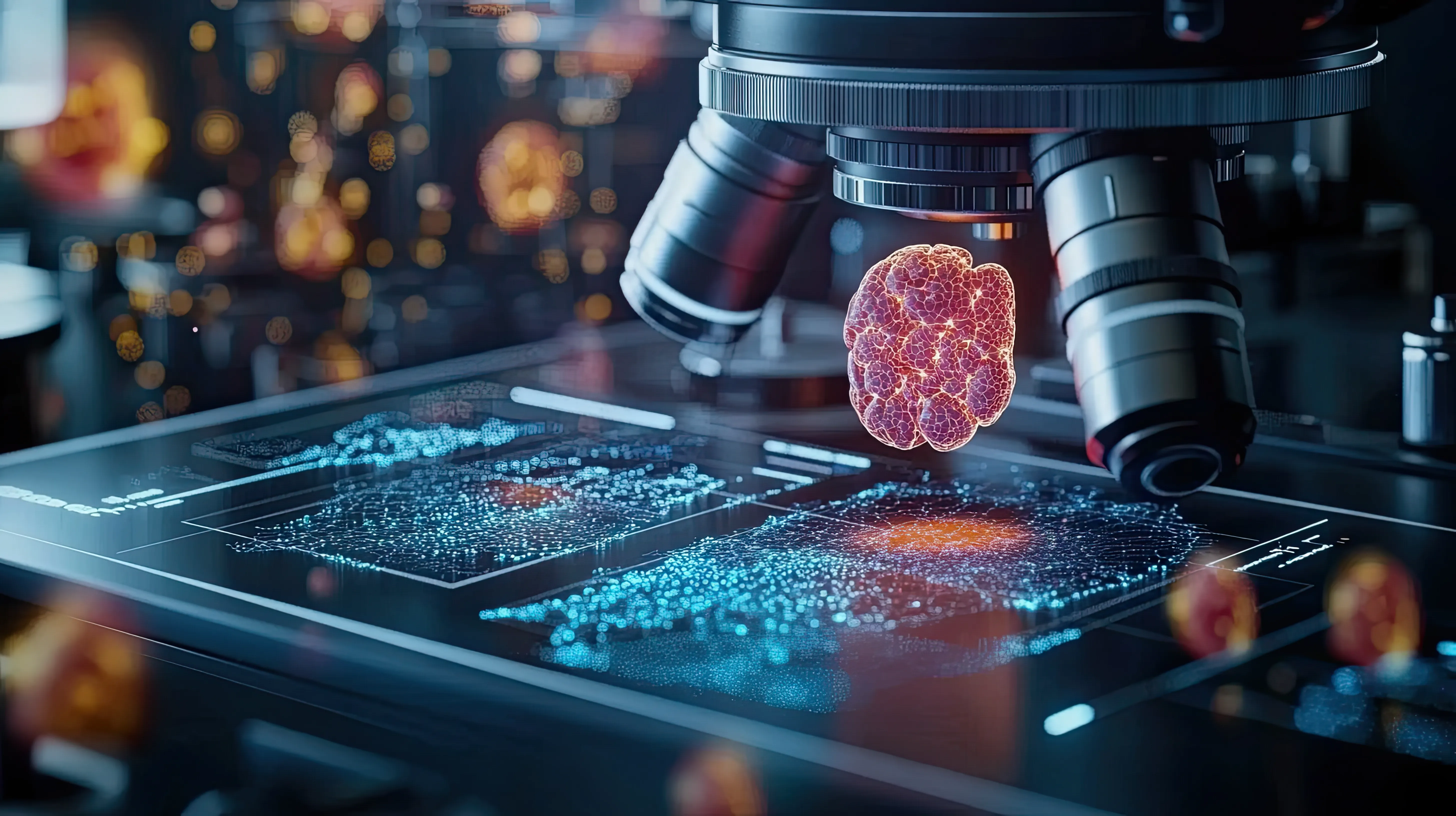
By assisting researchers in viewing diseases as linked biological systems rather than discrete genes or proteins, artificial intelligence is transforming the drug development process. In order to find more precise drug targets, this method known as AI systems biology drug discovery combines cutting-edge machine learning with biological data. World BI is again organizing a conference next year on Drug Discovery Innovation Programme in Europe.
To integrate genomes, proteomics, transcriptomics, metabolomics, and clinical data, top pharmaceutical corporations including Johnson & Johnson (J&J), Roche, and AstraZeneca are investing in AI. This reduces expensive failures and speeds up the creation of novel treatments by empowering scientists to make more informed choices when choosing omics data targets.
Why Systems Biology Matters
Numerous illnesses include intricate molecular networks, such as cancer, Alzheimer's disease, and autoimmune disorders. A single gene study frequently falls short of providing a complete picture.
The goal of systems biology drug discovery is to comprehend the interactions between genes, proteins, cells, and pathways. AI analyzes these enormous datasets to find hidden connections and pinpoint the biological causes of illness.
The Role of Multi-Omics AI in Pharma
Massive amounts of biological data are produced by contemporary research from several sources, such as:
- The field of genomics
- Transcriptomics
- Proteomics
- Metabolomics
- Sequencing of a single cell
- Patient and clinical data
Researchers integrate these findings into a cohesive picture of disease biology using multi-omics AI pharma platforms. Patterns that would be challenging to identify with conventional techniques are revealed by this integrated approach.
How AI Improves Target Selection
One of the most important phases in the drug discovery process is choosing the appropriate biological target. AI improves the choice of omics data targets by:
- Determining the processes that cause sickness
- Giving high-confidence drug targets priority
- Forecasting interactions between proteins
- Finding novel biomarkers
- Encouraging precision medicine
- Cutting back on pointless lab tests
AI assists researchers in concentrating on targets with the best chance of clinical success by concurrently assessing several layers of biological data.
How J&J, Roche, and AstraZeneca are Using AI
Johnson & Johnson
By combining genetic, molecular, and clinical data, J&J uses AI to help researchers find new treatment targets and advance precision medicine in a variety of disease domains.
Roche
Roche integrates multi-omics datasets for oncology research, tailored treatment development, and biomarker identification using AI-driven systems biology. Scientists are better able to comprehend illness pathways because to its digital research tools.
AstraZeneca
AstraZeneca builds disease network models and prioritizes interesting therapeutic targets by integrating AI with genetics, imaging, and clinical research. Throughout the discovery process, this method facilitates quicker decision-making and enhances translational research.
Benefits of Integrative Omics R&D
There are various benefits to the increasing usage of integrative omics research and development.
- A more precise identification of targets
- A deeper comprehension of the biology of disease
- Quicker judgments about research
- Reduced expenses for experiments
- Better classification of patients
- An increased likelihood of clinical success
Researchers can utilize AI to rank the most promising choices prior to experimental validation rather than testing thousands of possible targets in the lab.
Representative Examples of Drug Development via Multiomics and Artificial Intelligence Integration
Drug development is costly and time-consuming, with only about 10% of drug candidates reaching the market. AI systems biology drug discovery is improving omics data target selection by integrating genomics, transcriptomics, proteomics, metabolomics, and clinical data.
Advanced AI models analyze complex biological datasets to identify disease mechanisms, predict drug targets, and discover biomarkers, enabling researchers to prioritize the most promising candidates before laboratory testing.
In multi-omics AI pharma, AI is accelerating precision medicine, biomarker discovery, and therapeutic target identification across diseases such as cancer and infectious diseases. By advancing integrative omics R&D, AI is reducing development time and costs while helping pharmaceutical companies make faster, data-driven decisions and improve the likelihood of clinical success.
Challenges Ahead
AI-powered systems biology still has difficulties despite its potential, such as:
- Combining various datasets
- Keeping data of the highest caliber
- Developing AI models that can be explained
- Maintaining patient confidentiality
- Verifying AI forecasts in lab experiments
Data scientists, biologists, physicians, and pharmaceutical researchers must continue to work together to overcome these obstacles.
Looking Ahead
Further integration of biological data is the key to the future of AI systems biology drug development. It is anticipated that improvements in foundation models, digital disease simulations, and patient-specific AI models would enhance target selection and hasten the creation of customized medications.
Pharmaceutical firms will be better able to comprehend the complexity of diseases and find treatments with a higher likelihood of clinical success as multi-omics AI pharma develops.
Conclusion
Because AI connects biological data at a never-before-seen scale, it is transforming the way scientists find novel medications. Businesses like J&J, Roche, and AstraZeneca are showcasing how integrated omics R&D and AI systems biology drug discovery may enhance omics data target selection, lower development risks, and accelerate innovation.
Multi-omics data integration will become a crucial component of drug discovery as AI technologies advance, assisting the sector in creating safer, more efficient medicines for patients all around the world.
World BI Drug Discovery Innovation Programme
The Drug Discovery Innovation Programme organized by World BI is a leading global event that brings together pharmaceutical executives, researchers, biotech innovators, and technology experts to explore the latest advancements in drug discovery and early development.
Organized by World BI, the conference focuses on key topics such as AI-driven drug discovery, target identification, precision medicine, biomarker development, computational drug design, and emerging therapeutic modalities. The programme provides a collaborative platform for industry leaders to share insights, address challenges, and accelerate the development of innovative therapies that improve patient outcomes worldwide